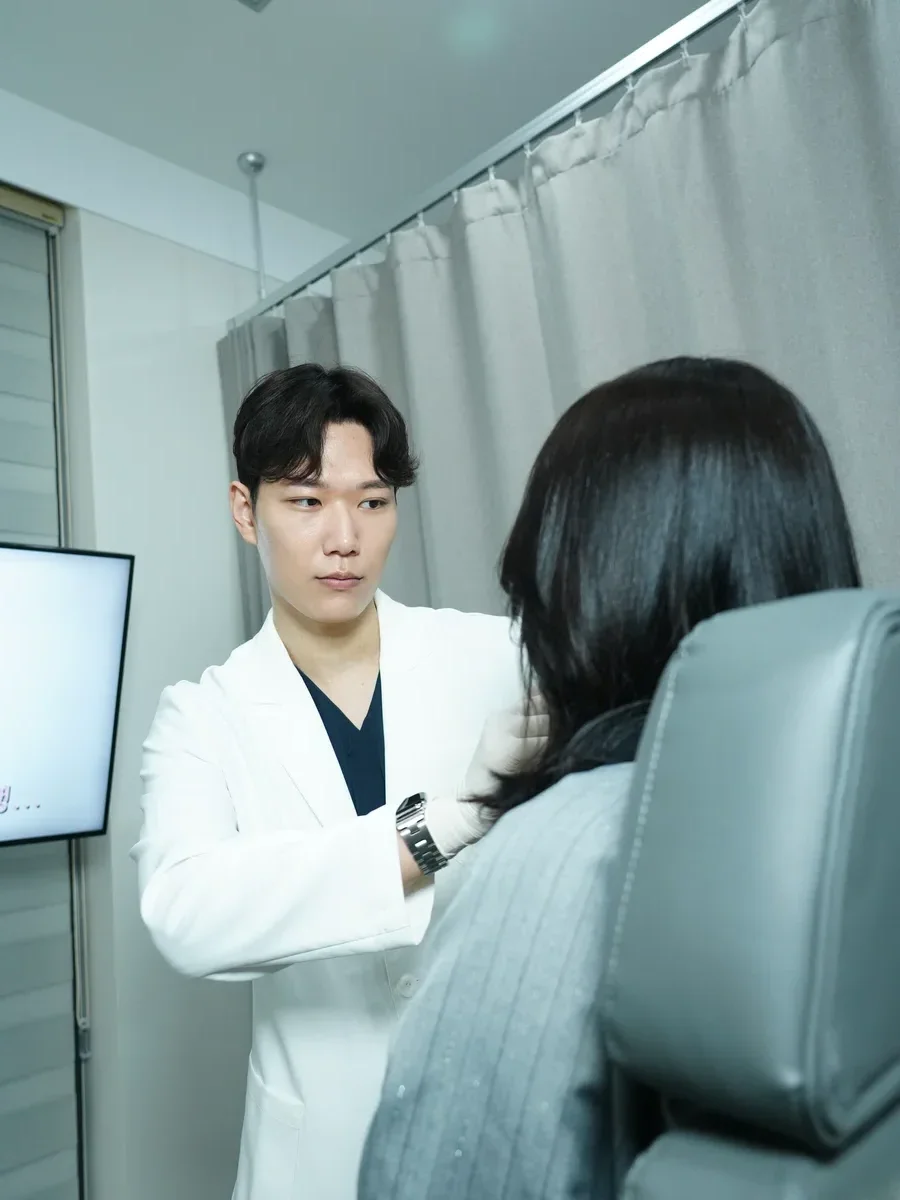
Understanding Dermatology Recovery Timelines
Recovery after dermatology procedures varies significantly based on treatment type, energy level, and individual skin response. Non-ablative treatments like laser toning and LED therapy have virtually zero downtime, while ablative procedures like CO2 fractional lasers require 5-7 days of active healing. Understanding your specific recovery timeline before treatment allows proper planning, especially for international travelers scheduling procedures around flight dates.
The skin's wound-healing response follows a predictable 4-phase pattern: hemostasis (0-2 hours), inflammation (1-3 days), proliferation (3-14 days), and remodeling (14 days to 6 months). Most visible recovery occurs during the inflammation phase, when redness, swelling, and sensitivity peak. Knowing this timeline helps set realistic expectations and prevents unnecessary concern during normal healing progression.
Day-by-Day Recovery: Common Procedures
Laser Toning and Light Peels (Days 0-3)
Gentle laser toning (PicoSure, Genesis) and superficial chemical peels produce the mildest recovery profile. Day 0: mild warmth and pinkness lasting 2-4 hours. Day 1: skin may feel slightly dry or tight. Day 2-3: any residual pinkness fades completely. Makeup can typically be applied after 6-12 hours. These treatments are ideal for travelers with limited time, as normal activities resume immediately. Treated skin may feel slightly sensitive to temperature for 24-48 hours.
RF Microneedling and Medium Peels (Days 0-5)
Potenza RF microneedling and medium-depth peels create controlled micro-injuries requiring moderate recovery. Day 0: visible redness and mild swelling, similar to moderate sunburn. Day 1: redness intensifies slightly; pin-point scabbing may appear at needle entry sites. Day 2-3: redness transitions to pinkness; skin begins light flaking. Day 4-5: most visible healing complete. Full recovery takes 5-7 days. Mineral sunscreen (SPF 50+) is mandatory from day 1. No active skincare ingredients (retinol, AHA, BHA) for 7-10 days.
Aftercare Protocol for Optimal Results
Post-treatment skincare during the first 72 hours determines both healing speed and final results. Clean the treated area with lukewarm water and a gentle, fragrance-free cleanser twice daily. Apply a ceramide-based moisturizer every 4-6 hours to maintain the skin barrier. Physical SPF 50+ sunscreen is essential whenever exposed to any daylight, including through windows. Avoid chemical sunscreens during the first 5 days as active ingredients may irritate healing skin.
Hydration accelerates recovery significantly. Drinking 2-3 liters of water daily supports cellular repair. Avoid alcohol for 48-72 hours post-treatment, as it causes vasodilation that increases swelling and redness. Skip hot showers, saunas, and steam rooms for 5-7 days. Sleep on a clean pillowcase with your head slightly elevated for the first 2 nights to reduce facial swelling. These simple measures can reduce visible recovery time by 30-40%.
Flying After Dermatology Treatment
Travelers near Incheon Airport should plan treatment timing around their departure schedule. For laser toning and light peels, flying the same day or next day is generally safe. RF microneedling patients should allow 48-72 hours before boarding, as aircraft cabin humidity drops to 10-20%, which can dehydrate healing skin and extend recovery. Ablative procedures require a minimum 5-7 day buffer before flying. Cabin pressure changes do not directly affect treated skin, but the dry environment increases the importance of in-flight hydration and moisturizer application every 2-3 hours.
Pack a recovery travel kit: gentle cleanser, ceramide moisturizer, physical SPF 50+, and a hydrating mist for in-flight application. Avoid wearing makeup on treated areas during the flight. RE:BERRY Incheon provides post-treatment care kits designed for traveling patients that include 3-5 days of recovery products. Apply thick moisturizer as an occlusive barrier 30 minutes before boarding to protect healing skin from cabin air dehydration.
When to Seek Follow-Up Care
Normal post-treatment symptoms include redness (1-5 days), mild swelling (1-3 days), dryness and flaking (3-7 days), and temporary sensitivity to temperature. Contact a medical professional if you experience pain that worsens after day 2, pus or yellow crusting indicating infection, blistering beyond the treated area, or hyperpigmentation that darkens progressively after day 5. These complications occur in fewer than 3% of properly performed procedures but require prompt attention.
Schedule a follow-up assessment 2-4 weeks post-treatment to evaluate results and plan next steps. Collagen remodeling from RF microneedling and laser treatments continues for 3-6 months after the procedure. Lee SJ et al. J Cosmet Laser Ther. 2022;24(3):112-119. doi:10.1080/14764172.2022.2084783 Final results are best assessed at the 8-12 week mark, when the full extent of new collagen production becomes visible in skin firmness and texture measurements.